
Choosing the right type of internet connection can feel overwhelming — especially with so many technologies available today. Satellite internet and traditional internet serve very different needs, and understanding their differences can save you money, frustration, and slow connections.
Let’s break it down in a simple, practical way so you can decide which one fits your lifestyle best.
What Is Satellite Internet?
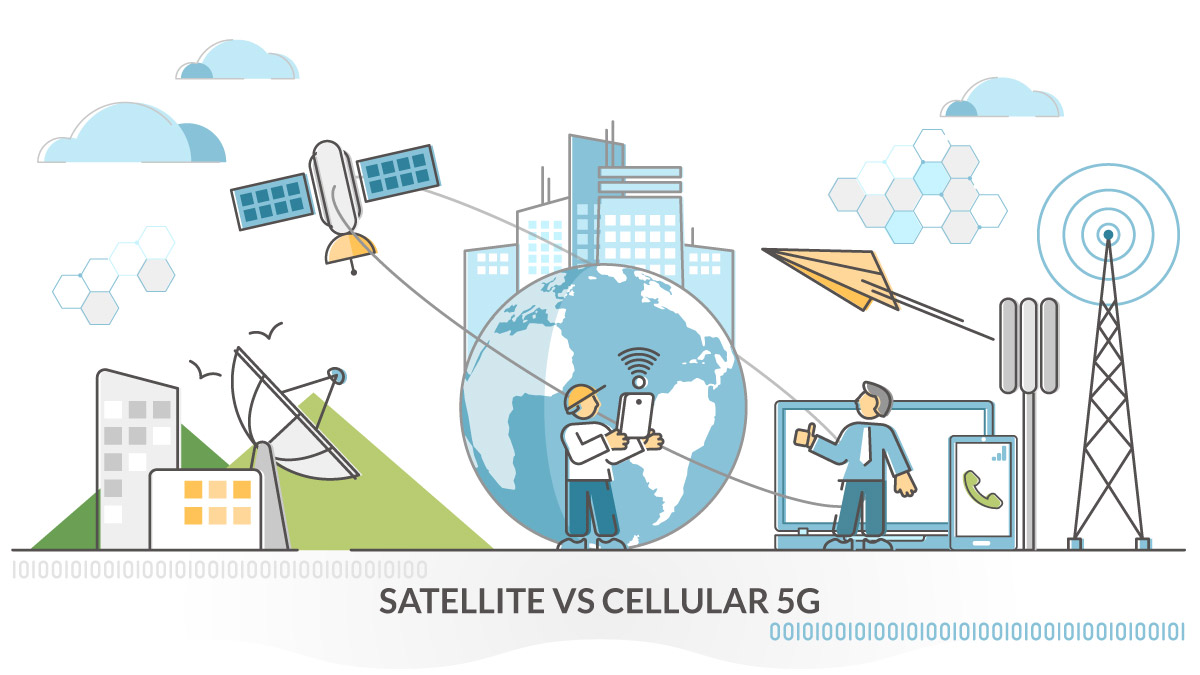
Satellite internet provides connectivity using satellites orbiting the Earth instead of underground cables.
How Satellite Internet Works
Your data travels:
- From your device
- To a satellite dish
- Up to a satellite in space
- Down to a ground station connected to the internet
This allows internet access almost anywhere, even in very remote locations.
Key Characteristics
- Wide coverage
- Independent of local infrastructure
- Requires a clear view of the sky
What Is Traditional Internet?
Traditional internet relies on physical infrastructure installed on the ground.
How Traditional Internet Works
Data moves through:
- Fiber-optic cables
- Coaxial cables
- Telephone lines
This type of connection depends heavily on local network availability.
Main Types of Traditional Internet
- Fiber-optic (fastest)
- Cable
- DSL
Coverage Comparison
Satellite Internet Coverage
One of satellite internet’s biggest advantages is coverage. If you can see the sky, you can usually get connected.
Traditional Internet Coverage
Traditional internet is limited to areas where cables have been installed, which often excludes rural and remote regions.
Speed Differences
Typical Satellite Speeds
Modern satellite services can deliver 50–250 Mbps, depending on the provider and location.
Typical Traditional Speeds
Fiber internet can exceed 1 Gbps, making it ideal for heavy streaming, gaming, and large households.
Latency and Connection Quality
Latency in Satellite Internet
Latency depends on satellite type:
- Older GEO satellites: high latency
- New LEO satellites: much lower latency, suitable for video calls
Latency in Traditional Internet
Traditional internet offers very low latency, which is perfect for real-time applications like gaming and video conferencing.
Reliability and Stability
Satellite Internet Reliability
Satellite connections are generally stable but can be affected by:
- Heavy rain
- Storms
- Physical obstructions
Traditional Internet Reliability
More consistent overall, but outages can still happen due to cable damage or maintenance.
Installation Process
Installing Satellite Internet
Requires installing a dish outdoors with a clear sky view. Setup is usually quick and flexible.
Installing Traditional Internet
Often requires a technician visit and existing infrastructure in your area.
Costs and Pricing
Satellite Internet Costs
- Higher upfront equipment costs
- Monthly fees can be higher
Traditional Internet Costs
- Lower equipment costs
- Competitive pricing, especially in cities
Data Caps and Usage Limits
Satellite Internet Data Policies
Some plans include data caps or fair-use policies, especially older services.
Traditional Internet Data Policies
Many traditional ISPs offer unlimited data, ideal for heavy users.
Best Use Cases for Satellite Internet
Who Should Choose Satellite
- Rural residents
- Farms and remote homes
- Areas with no cable or fiber
When It’s Not Ideal
- Competitive gaming
- Very high data consumption
Best Use Cases for Traditional Internet
Who Benefits Most
- Urban and suburban users
- Businesses and large households
Limitations
- Availability depends on infrastructure
- Not accessible everywhere
Satellite Internet vs Traditional Internet: Side-by-Side
Satellite internet focuses on availability, while traditional internet focuses on performance. The right choice depends on where you live and how you use the internet.
The Future of Internet Connectivity
Satellite Innovation
New Low Earth Orbit (LEO) networks are making satellite internet faster and more reliable.
Fiber Expansion
Cities continue to expand fiber networks, delivering ultra-fast speeds to more users.
The difference between satellite internet and traditional internet comes down to location, speed needs, and availability. Traditional internet is unbeatable where infrastructure exists, but satellite internet is a powerful solution for areas left behind.
With modern satellite technology closing the performance gap, users no longer have to choose between living remotely and staying connected. The best internet is the one that works where you are.